Skip to content
The Carolinas offer beautiful landscapes and vibrant communities, but living here means adapting to a climate that can be challenging throughout the year. From sweltering summer humidity to unpredictable winter cold snaps, residents of North Carolina and South Carolina face environmental conditions that impact daily comfort in both homes and vehicles. Have you ever walked into your car on a July afternoon and felt like you stepped into an oven, or noticed your home’s energy bills creeping up despite your best efforts to maintain comfortable temperatures? Window Tinting in North Carolina & South Carolina has become an increasingly popular method for addressing these climate challenges while providing protection that extends far beyond basic comfort. Black Bear Protective Films has helped countless property owners and vehicle enthusiasts discover how quality window tinting transforms their daily experience throughout all four seasons.
The decision to invest in window tinting goes beyond aesthetics and becomes about creating sustainable comfort, protecting valuable assets, and reducing the constant battle against environmental elements that characterize life in the Carolinas. Whether you’re driving through Charlotte’s urban heat islands or relaxing in your coastal South Carolina home, window tinting provides a barrier against the elements that work silently in the background. The technology has evolved significantly over recent years, offering solutions that address specific regional climate challenges while maintaining visibility and style. Let’s explore how window tinting delivers consistent benefits regardless of what the Carolina weather throws your way, and why more residents are choosing this upgrade for both residential and automotive applications. Understanding these advantages helps you make informed decisions about protecting your comfort and investments year-round.
Understanding the Carolinas’ Diverse Climate Challenges
The Carolinas experience what meteorologists call a humid subtropical climate, which brings hot, sticky summers where temperatures regularly climb into the 90s with humidity levels that make it feel even hotter. Winters are generally mild compared to northern states, but they still bring cold snaps, occasional ice storms, and temperatures that can dip below freezing. Spring and fall offer more moderate conditions, but these transitional seasons come with their own challenges, including intense sun angles and unpredictable temperature swings that can vary by 30 degrees within a single day.
Summer Heat Intensity
Carolina summers aren’t just hot; they’re persistently uncomfortable in ways that challenge even the most robust cooling systems. The combination of direct sunlight and high humidity creates conditions where your home or vehicle becomes unbearably warm within minutes of sun exposure. Coastal areas in South Carolina experience the added challenge of intense reflected light from water and sand, which amplifies the heating effect. Inland cities like Raleigh, Charlotte, and Greenville face urban heat island effects where concrete and asphalt absorb and radiate heat throughout the day and well into the evening hours. Without proper protection, your air conditioning systems work overtime trying to combat this relentless heat gain. The sun’s rays penetrate through standard glass, heating up interior surfaces and creating greenhouse effects that make spaces uncomfortable and drive energy consumption to frustrating levels.
Winter Temperature Fluctuations
While Carolina winters are milder than those in northern states, they present unique comfort challenges that residents know all too well. Temperatures can fluctuate dramatically, with pleasant 60-degree afternoons giving way to freezing nights, making it difficult to maintain consistent indoor comfort without constantly adjusting thermostats. Cold fronts sweep through the region regularly, bringing days of sustained cold that test heating system efficiency. Morning frost on vehicle windows and cold car interiors become routine frustrations that add time to daily commutes. The sun still shines brightly during winter months, but without the warming effect you might expect, creating situations where you’re dealing with both cold temperatures and glare simultaneously. Mountain regions of North Carolina face even more pronounced winter conditions with occasional snow and ice that can last for days.
UV Protection Benefits for Health and Property
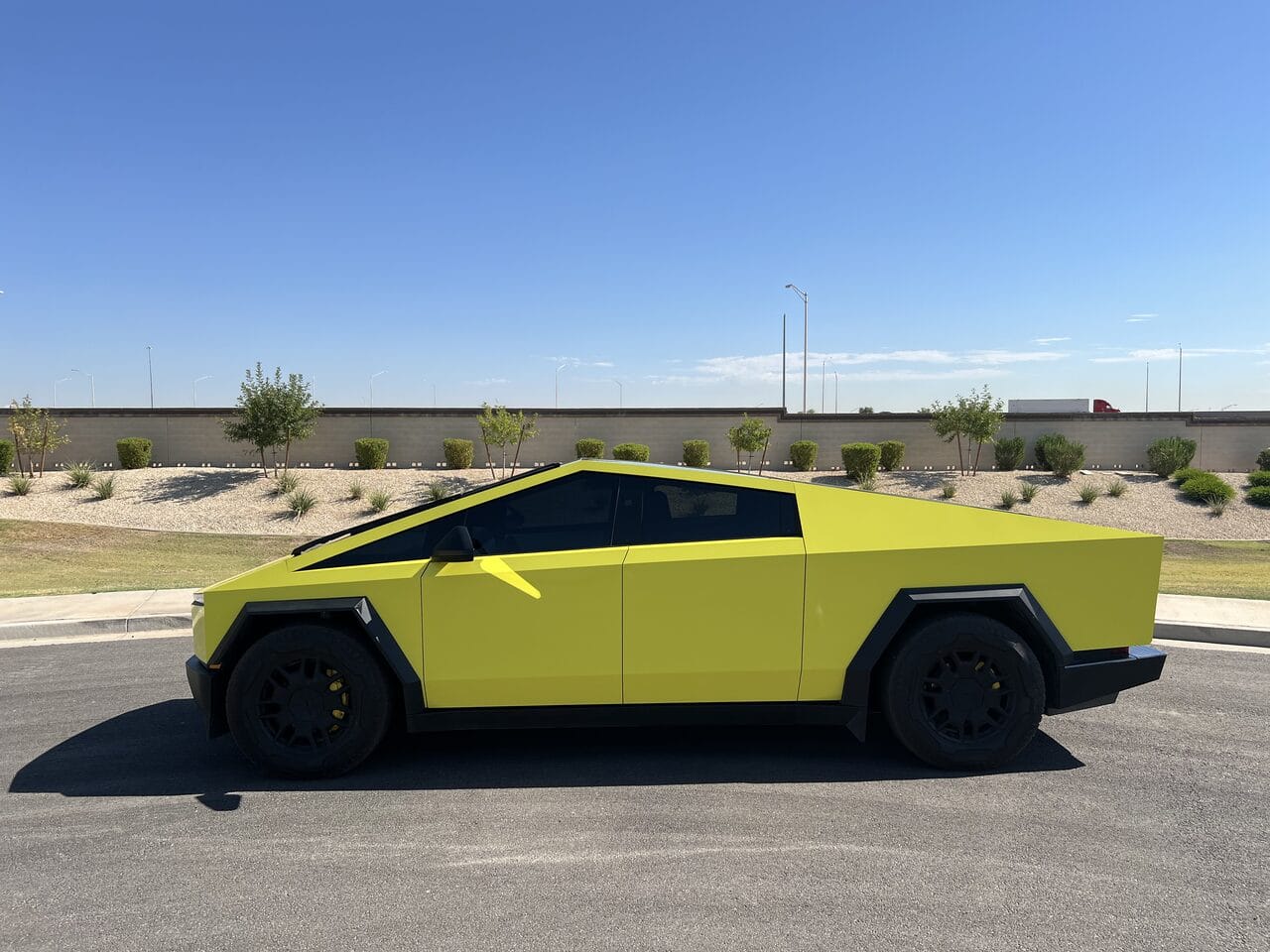
Ultraviolet radiation might be invisible, but its effects are very real and accumulate over time. The Carolinas receive intense UV exposure year-round due to their southern latitude and abundant sunny days. Auto Window Tinting Services in North Carolina & South Carolina address this constant threat by blocking up to 99% of harmful UV rays that penetrate standard glass. This protection matters for both immediate health concerns and long-term property preservation.
Preventing Skin Damage
Your skin doesn’t distinguish between intentional sun exposure and incidental exposure while going about daily activities. Every minute spent near windows in your home or driving in your vehicle contributes to your cumulative UV exposure. Dermatologists consistently emphasize that UV exposure through glass is a significant risk factor for skin cancer and premature aging. The left side of your face and arm, if you’re a frequent driver, often shows more sun damage than the right side due to consistent exposure through the driver’s side window. Residential Window Tinting in North Carolina & South Carolina extends this protection to your home, where you spend the majority of your time near windows that let in beautiful natural light along with harmful UV rays. Quality window tinting acts as a permanent sunscreen for your spaces, providing protection without requiring daily application or constant vigilance about sun exposure times.
Interior Preservation Methods
The fading and deterioration you notice in furniture, flooring, and vehicle interiors isn’t just normal wear and tear; it’s primarily UV damage accumulating over months and years. That beautiful hardwood floor near your bay window starts showing lighter patches where sunlight hits it directly, while your leather car seats develop cracks and lose their rich color despite regular conditioning. Upholstery fabrics fade unevenly, creating obvious patterns that follow the sun’s path through your windows. Commercial Window Tinting in North Carolina & South Carolina helps businesses protect valuable inventory, furnishings, and displays from this constant degradation. The protection extends beyond obvious fading to include the structural integrity of materials that UV radiation compromises at a molecular level. Wood dries out and splits, plastics become brittle and discolored, and even metal finishes can degrade under constant UV exposure combined with the heat that accompanies it.
Temperature Regulation Throughout All Four Seasons
One of window tinting’s most valuable characteristics is its ability to moderate temperature extremes regardless of season. Unlike solutions that only address summer heat or winter cold, quality window films work year-round to maintain more stable and comfortable interior temperatures. This consistent performance makes tinting a true four-season solution rather than a seasonal fix.
Cooling Summer Interiors
When temperatures soar and humidity makes the air feel thick, your spaces heat up quickly under direct sunlight. Standard glass does little to prevent solar heat gain, allowing infrared radiation to pass through and warm everything it touches. Car Window Tinting in NC & SC can reduce interior vehicle temperatures by 40 to 60 degrees compared to untinted windows, making a dramatic difference in comfort the moment you open your door. This isn’t just about initial comfort; it’s about how quickly your air conditioning can create a pleasant environment and how hard it has to work to maintain it. In homes, tinted windows prevent hot spots near south and west-facing windows where afternoon sun creates uncomfortable zones that are difficult to cool effectively. The technology works by reflecting and absorbing solar energy before it enters your space, fundamentally changing the thermal dynamics of your environment.
Retaining Winter Warmth
The insulating properties of window tinting become equally valuable when temperatures drop and heating systems struggle to maintain comfortable indoor conditions. Window films add an extra layer of insulation that helps prevent heat from escaping through your glass surfaces, which are typically the weakest points in your building envelope. This retention effect means your heating system doesn’t have to cycle as frequently to maintain desired temperatures, reducing wear on equipment while improving comfort. Black Bear Protective Films uses advanced films that provide this insulating benefit without compromising visibility or natural light transmission during shorter winter days. The same films that keep summer heat out also help keep winter warmth in, creating a year-round thermal barrier that adapts to seasonal needs. This dual-action performance makes window tinting one of the most versatile climate control investments you can make for Carolina properties.
Energy Efficiency and Cost Savings Benefits
The connection between window tinting and energy savings isn’t just marketing hype; it’s backed by measurable reductions in heating and cooling costs. When your spaces maintain more stable temperatures naturally, your HVAC systems don’t have to work as hard or run as long to keep you comfortable. These efficiency gains translate directly into lower utility bills and reduced environmental impact.
Reducing HVAC Usage
Your heating and cooling systems represent one of the largest energy expenses in both homes and vehicles. Auto Glass Window Tint helps minimize the load on your automotive climate control by reducing the temperature differential between interior and exterior environments. In residential applications, window tinting can reduce cooling costs by 30% or more during summer months when air conditioning demand peaks. The reduced strain on your HVAC equipment extends its lifespan by decreasing the number of operating hours and thermal stress cycles. Equipment that runs less frequently requires fewer repairs and lasts longer before needing replacement, adding to your long-term savings. The environmental benefits are equally significant, as reduced energy consumption means lower carbon emissions and decreased demand on electrical grid infrastructure during peak usage times.
Lowering Monthly Bills
The financial impact of window tinting becomes apparent within the first few billing cycles after installation. Most property owners notice immediate reductions in their energy costs, particularly during extreme weather months when heating and cooling expenses typically spike. These savings accumulate over time, often paying for the initial tinting investment within a few years while continuing to provide benefits for a decade or more. Vehicle owners experience similar savings through reduced fuel consumption, as air conditioning is one of the biggest drains on engine efficiency and gas mileage. The compounding effect of these savings becomes more significant as energy costs continue rising over time, making window tinting an investment that actually increases in value. Window Tinting Shop in North Carolina & South Carolina professionals can provide estimates of expected savings based on your specific situation, helping you understand the return on investment for your property or vehicle.
Glare Reduction for Enhanced Visual Comfort
Glare isn’t just annoying; it creates genuine health concerns and safety hazards that affect daily activities. Whether you’re trying to work on a computer near a bright window or driving into the morning sun on your commute, excessive glare causes eye strain, headaches, and reduced visibility. Window tinting addresses these issues by filtering harsh light while maintaining clear visibility.
Protecting Your Eyes
Constant squinting and eye strain from glare lead to fatigue, headaches, and long-term vision problems that many people don’t connect to their environment. The intense Carolina sun creates challenging lighting conditions throughout the day, particularly during morning and evening hours when the sun sits at low angles. Glare reflects off roads, water, and other vehicles, creating additional visual challenges that make driving dangerous and uncomfortable. Window tinting reduces these harsh reflections and direct sunlight by up to 85%, creating more comfortable viewing conditions without darkening your space excessively. Your eyes can relax and focus naturally instead of constantly adjusting to extreme brightness variations. The reduction in eye strain translates to better concentration, fewer headaches, and improved safety whether you’re behind the wheel or working near windows in your home or office.
Screen Visibility Enhancement
In our digital age, screen glare has become one of the most common workplace and home frustrations. That expensive television becomes unwatchable during afternoon hours when sunlight washes out the display. Computer monitors near windows require constant position adjustments or closed blinds that defeat the purpose of having natural light. Auto Window Tint Shop North Carolina & South Carolina services help vehicle owners enjoy navigation systems and entertainment screens without glare interference from surrounding windows. In homes and offices, tinted windows allow you to position desks, televisions, and other screens freely without worrying about sun angles and reflection patterns. The improved visibility means you can actually use your spaces the way you want throughout the day, rather than adapting your activities around the sun’s position. This flexibility enhances both productivity and enjoyment of your environments while protecting expensive electronics from the heat that often accompanies direct sunlight exposure.
Privacy and Security Improvements Year Round
Beyond climate control and UV protection, window tinting provides privacy and security benefits that residents increasingly value. The ability to see out while preventing others from easily seeing in creates peace of mind and practical security advantages. These benefits remain constant regardless of season or weather conditions.
Enhanced Home Privacy
Residential window tinting allows you to enjoy natural light and views without feeling like you’re on display to neighbors and passersby. During evening hours when interior lights are on, standard windows become one-way mirrors that expose your activities to anyone outside. Tinted windows reduce this visibility dramatically, allowing you to relax in your home without constant concern about who might be looking in. This privacy doesn’t require closing curtains or blinds that block your views and make spaces feel closed off. The selective visibility that quality tinting provides maintains your connection to the outdoors while protecting your private life. Families with children particularly appreciate this added privacy, as it allows kids to play near windows without parental concerns about visibility from outside. Black Bear Protective Films offers various tinting options that provide different levels of privacy while still maintaining views and natural light.
Vehicle Security Features
Tinted vehicle windows make it significantly harder for potential thieves to see valuables inside your car, reducing the likelihood of break-ins and theft. Parking lots become less stressful when you know your belongings aren’t on obvious display to everyone passing by. The added privacy also makes passengers more comfortable, particularly in urban areas with heavy foot traffic and stop-and-go driving conditions. In the unfortunate event of an accident, many window films provide an additional safety benefit by helping hold shattered glass together rather than allowing it to scatter into dangerous shards. This containment effect can reduce injuries during collisions and makes cleanup safer and easier. The security benefits extend to protecting vehicle occupants from unwanted attention and maintaining privacy during travel, particularly valuable for families with young children or professionals who frequently transport sensitive materials.
Protecting Investments from Environmental Damage Today
Every day your properties and vehicles remain unprotected, they’re accumulating environmental damage that reduces their value and shortens their useful life. Window tinting provides proactive protection that preserves your investments and reduces long-term maintenance costs. This protective approach makes more financial sense than reactive repairs and replacements.
Vehicle Interior Protection
Your vehicle represents a significant financial investment that begins depreciating the moment you drive it off the lot. Interior condition plays a major role in resale value, and sun damage is one of the primary causes of interior deterioration. Dashboard cracks, faded upholstery, and brittle plastic components all reduce your vehicle’s appeal and trade-in value. Window tinting dramatically slows this deterioration by blocking the UV radiation and reducing the heat that accelerates material breakdown. Leather seats maintain their suppleness and color, dashboard materials resist cracking and fading, and overall interior condition remains closer to new for longer periods. This preservation translates directly into higher resale values when it’s time to upgrade or sell your vehicle. The relatively small investment in quality window tinting returns significant value by maintaining your vehicle’s interior condition throughout your ownership period.
Home Furnishing Preservation
The furniture, flooring, and decorative elements in your home represent substantial investments that you expect to last for years or decades. Sun damage undermines these expectations by causing premature fading, cracking, and deterioration that necessitates costly replacements. Window tinting protects these investments by filtering out the harmful UV radiation and reducing heat buildup that accelerates material breakdown. Your hardwood floors maintain their rich color and finish, upholstered furniture resists fading and sun rot, and artwork preserves its vibrancy and value. The protection extends to window treatments themselves, as curtains and blinds also suffer UV damage over time. By preserving all these elements, window tinting helps maintain your home’s aesthetic appeal and market value while reducing the frequency of expensive refurnishing projects. The long-term financial benefits of this preservation often exceed the initial tinting investment many times over.
Conclusion
Window tinting delivers comprehensive year-round benefits that address the diverse climate challenges Carolina residents face daily. From protecting against harmful UV radiation and reducing temperature extremes to improving privacy and preserving valuable investments, quality window films provide solutions that work silently in the background throughout all four seasons. The technology serves both residential and automotive applications, offering consistent performance that enhances comfort, reduces energy costs, and protects your health and property. Whether you’re dealing with summer heat, winter cold, or the unpredictable conditions that characterize spring and fall in the Carolinas, window tinting adapts to provide the protection and comfort you need when you need it most.
FAQs
Is window tinting legal in North Carolina and South Carolina?
Yes, window tinting is legal in both states, but specific regulations govern how dark the tint can be on different windows. Front side windows must allow sufficient light transmission, while rear windows typically have more flexibility in tint darkness levels.
How long does professional window tinting last?
Quality window tinting professionally installed typically lasts 10 to 15 years or more with proper care. The lifespan depends on film quality, installation technique, and environmental exposure, but premium films withstand Carolina climate conditions exceptionally well.
Can window tinting be applied to older homes and vehicles?
Absolutely, window tinting can be applied to glass surfaces regardless of property or vehicle age. Older structures and vehicles often benefit most from tinting since their glass typically provides less inherent UV and heat protection than newer energy-efficient alternatives.
Will window tinting make my spaces too dark?
Modern window films offer various shading levels that provide protection without excessive darkening. Professional installers help you select appropriate tint levels that maintain visibility and natural light while delivering the climate control and UV protection benefits you need.
Does window tinting interfere with electronic signals?
Quality ceramic and carbon-based window films do not interfere with cell phone, GPS, radio, or other electronic signals. Some older metallic films could cause interference, but current technology provides full protection without affecting your electronic devices or vehicle systems.